
Not long ago, low-budget films were easy to spot.
Flat lighting, weak sound, shaky camera work, and empty-looking locations usually gave everything away within the first few minutes. Even a good story struggled to feel cinematic if the production looked cheap.
That gap is getting smaller now.
Recent films, short-form content, and even independent YouTube projects often look far more polished than people expect. Some creators are producing cinematic visuals without massive crews or studio-level budgets.
The interesting part is that most of them are not using extremely expensive equipment.
They are simply making smarter creative decisions.
Modern filmmaking is less about having unlimited resources and more about knowing how to use what you already have. Lighting, editing, sound, production design, and post-production choices now play a bigger role than ever.
That shift is one reason smaller films are starting to look surprisingly expensive.
1. Lighting Does More Work Than Expensive Cameras
A lot of people assume cinematic visuals come from high-end cameras. In reality, lighting often changes the look of a scene far more than the camera itself.
Good lighting adds depth, mood, and atmosphere. It helps scenes feel intentional instead of random.
Even simple setups can completely transform how footage feels.
Example
Think about a conversation scene inside an apartment. If the entire room is evenly bright, the shot usually feels flat and lifeless. But once softer lighting, shadows, or practical lights are introduced, the same room immediately feels more cinematic.
Nothing else changed. Just the lighting.
That is why many filmmakers now spend more time shaping light instead of obsessing over expensive gear.
2. Controlled Camera Movement Makes Films Feel Bigger
Movement creates energy.
Older low-budget productions often relied heavily on static shots because smooth movement required expensive equipment. Today, affordable stabilizers and lightweight gear make cinematic movement much easier to achieve.
Even subtle motion changes how audiences experience a scene.
Example
A person walking through a hallway can feel completely ordinary in a locked-off shot. Add smooth tracking movement beside the actor, and suddenly the scene feels more immersive and deliberate.
That sense of motion creates production value without dramatically increasing costs.
Audiences may not consciously think about camera movement, but they definitely feel the difference.
3. Strong Color Grading Creates a More Cinematic Look
Raw footage rarely looks impressive on its own.
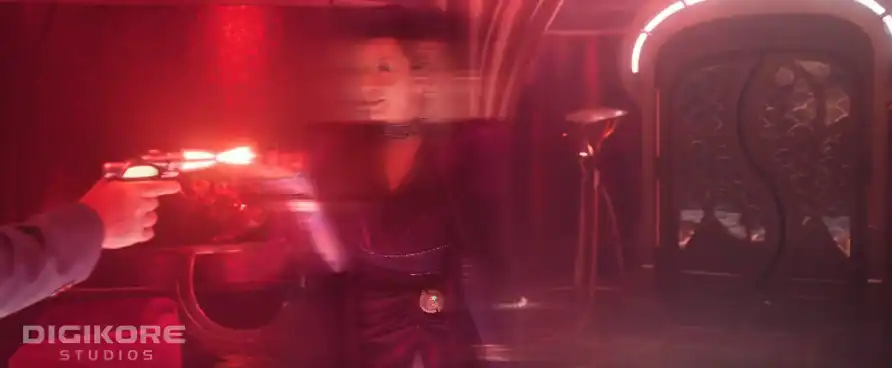
Color grading helps shape the emotional tone of a project. It gives scenes consistency and helps films develop visual identity.
Warm tones can make scenes feel emotional or nostalgic. Cooler tones may create tension or isolation. Slight contrast adjustments can completely change the mood of an environment.
Example
A rainy street scene filmed during the evening might look ordinary at first. After color grading, the same footage can suddenly feel dramatic, atmospheric, or even futuristic depending on the direction chosen.
That emotional control is one reason modern low-budget films feel more polished than older productions.
Color grading is no longer something only large studios can afford. Smaller creators now have access to professional-looking workflows too.
4. Sound Design Quietly Changes Everything
A project can look visually beautiful and still feel unfinished if the sound is weak.
Good sound design creates scale. It adds realism, tension, and emotional weight to scenes.
Many filmmakers underestimate how much audiences respond to audio.
Example
Imagine a simple scene where someone walks into an empty building. Without sound design, the moment feels flat. Add distant room tone, subtle footsteps, soft echoes, and environmental ambience, and suddenly the scene feels larger and more immersive.
The visuals did not change.
The feeling did.
That is one reason modern independent films often feel more cinematic than their budgets suggest.
5. Smart Editing Hides Production Limitations
Editing is one of the biggest reasons small productions now feel more professional.
Experienced editors understand how to guide audience attention. They know when to cut quickly, when to hold a shot longer, and how to maintain pacing without exposing weaknesses.
Good editing helps films feel intentional.
Example
A low-budget action scene may not have large explosions or expensive set pieces. But careful pacing, tighter framing, reaction shots, and strong sound can still make the sequence feel intense.
Audiences focus on the emotion of the moment instead of the budget behind it.
That is smart filmmaking.
6. Smaller Creators Now Have Better Post-Production Tools
Modern post-production tools have changed what smaller teams can achieve.
Creators can now clean footage, remove distractions, improve image quality, and speed up revisions far more easily than before.
Years ago, some of these tasks required larger studios or expensive workflows. Today, even independent creators can produce cleaner and more polished results from smaller setups.
Example
A filmmaker notices unwanted objects in the background after filming wraps. Instead of scheduling an expensive reshoot, the issue can often be corrected during post-production.
That flexibility saves time, money, and production stress.
For smaller teams, those advantages matter.
7. Production Design Makes Scenes Feel Real
Small details shape how audiences experience a film.
Props, wardrobe, textures, room decoration, and location choices all influence whether a project feels believable.
An empty space usually feels cheap on camera. A thoughtfully designed environment feels lived in.
Example
A café scene with layered background details, practical lighting, and realistic textures immediately feels more cinematic than a plain room with little personality.
Most viewers will never consciously analyze those details, but they still respond to them emotionally.
That realism helps modern films feel far more expensive than they actually are.
Why Small-Budget Films Feel More Cinematic Today
The biggest change in filmmaking is not just technology.
It is access.
Smaller creators now understand techniques that were once mostly used by larger productions. Information is easier to learn, tools are more accessible, and audiences care more about storytelling and atmosphere than equipment prices.
A film does not need a massive budget to feel cinematic anymore.
It needs:
- strong visual decisions
- thoughtful editing
- good sound
- atmosphere
- emotional storytelling
That is why recent films often look much bigger than the budgets behind them.
Frequently Asked Questions
What makes a film look expensive?
Lighting, sound design, camera movement, editing, and production design all contribute to cinematic quality more than budget alone.
Do filmmakers still need expensive cameras?
Not always. Many modern creators achieve cinematic visuals through lighting, composition, and post-production rather than high-end camera equipment.
Why do some low-budget films look professional?
Strong storytelling, smart editing, and thoughtful visual choices help smaller productions feel polished and immersive.
Can post-production improve low-budget films?
Yes. Color grading, sound design, cleanup work, and editing can significantly improve how a film looks and feels.