
VFX Services: What Can a Professional VFX Studio Actually Do for Your Project?
A great film, television series, or advertisement is not limited to what a camera can capture. A busy street can become a futuristic city. A small location can appear to be an expansive landscape. A dangerous stunt can be enhanced digitally, and an ordinary product shot can become a visually striking brand experience.
These possibilities are made achievable through professional VFX services.
However, visual effects are not just about creating explosions, imaginary creatures, or spectacular cinematic sequences. They also include subtle corrections, background replacements, object removal, digital enhancements, and the seamless integration of computer-generated elements into live-action footage.
For filmmakers, producers, advertising agencies, and brands, understanding what a professional VFX studio can do makes it easier to plan production, allocate budgets, and choose the right creative partner.
In this guide, we explain the key VFX services, how they work, when you might need them, and what to look for when selecting a visual effects company for your project.
What Are VFX Services?
Visual effects (VFX) involve creating, modifying, or enhancing imagery to achieve results that are difficult, impractical, unsafe, or impossible to capture entirely during live-action filming.
A professional VFX production company can combine photographed footage with digital environments, computer-generated imagery (CGI), simulations, and other visual elements to produce a cohesive final image.
For example, a filmmaker may shoot an actor on a controlled set and use VFX to add a digital city in the background. An advertising agency might replace a temporary product label with the final approved design. A production team may remove safety wires from a stunt sequence or digitally expand a location to make it appear larger.
The specific work depends on the creative brief, available footage, production requirements, and intended final result.
Importantly, VFX and CGI are not the same thing. CGI refers to imagery created using computers, while VFX is the broader process of creating or integrating visual elements into a finished shot. CGI can be one component of a larger VFX workflow.
What Can a Professional VFX Studio Do?
A professional VFX studio may handle individual shot enhancements, complex digital environments, or extensive visual effects work across an entire production. The following are some of the most common services and their practical applications.
1. VFX Compositing: Bringing Different Elements Together
VFX compositing services involve combining multiple visual elements into a single, believable image. These elements may include live-action footage, green-screen performances, CGI, smoke, fire, lighting effects, and digital backgrounds.
The challenge is not simply placing one image over another. Artists must account for perspective, lighting, shadows, colour, motion, and edge detail so that all the elements appear to belong in the same scene.
Example: An actor filmed against a green screen needs to appear inside a futuristic spacecraft. The compositing team integrates the actor with the digital environment, matching the lighting and visual characteristics of the footage.
This service is particularly useful for films, episodic productions, trailers, and commercials that require convincing integration between real and digital imagery.
2. Green Screen Compositing and Set Extensions
Green-screen filming allows production teams to capture performances separately from the environments that will appear in the final image. A VFX team can then replace the green background with a suitable location or digitally created setting.
Green screen compositing can help productions create locations that are difficult to access, while set extensions allow artists to expand existing physical environments.
For example, a production may film an actor on a partial building façade and digitally extend it into a complete city street. A commercial may use a controlled studio setup before replacing the background with a scenic landscape.
These techniques can provide greater creative control and reduce the need to construct every element physically. However, the quality of the result depends on factors such as lighting, camera movement, tracking data, and the footage captured on set.
3. CGI Props, Vehicles, and Digital Environments
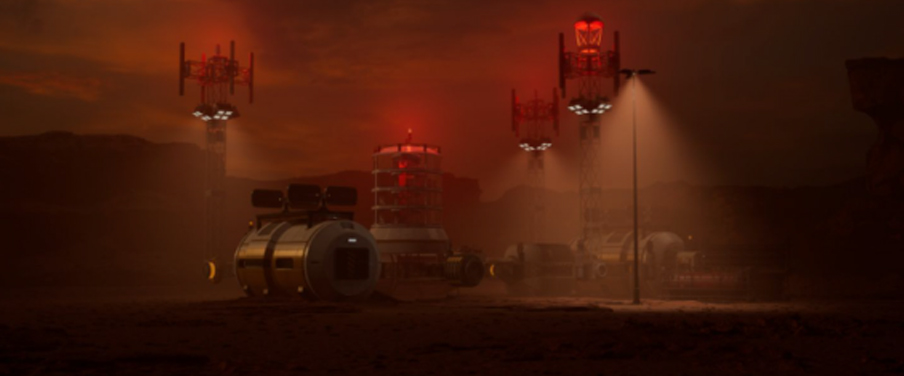
Sometimes, a production needs an object, vehicle, or environment that cannot be filmed in its intended form. In these situations, artists can create digital assets and integrate them into live-action footage.
CGI services may include modelling, texturing, lighting, rendering, and the preparation of digital props, vehicles, buildings, or environments.
Consider a commercial that needs to showcase a vehicle driving through an imaginary landscape. A production team might capture the vehicle separately and use CGI to create or extend the surrounding environment. Depending on the brief, the vehicle itself may also be digitally created or enhanced.
The objective is to ensure that the digital elements match the camera perspective, lighting conditions, and visual style of the shot.
CGI is especially valuable when a product, environment, or object requires a level of control that conventional filming cannot easily provide.
4. Explosions, Fire, Smoke, and Other Effects
Action sequences and dramatic scenes often require visual elements that would be unsafe, expensive, or impractical to produce physically.
Professional VFX effects services can create or enhance explosions, fire, smoke, debris, muzzle flashes, and other effects using digital simulations, filmed elements, and compositing techniques.
Example: A production needs an explosion behind a moving vehicle. The VFX team can integrate a digitally created or separately captured explosion into the shot, accounting for camera movement, perspective, lighting, and the surrounding environment.
These effects are not limited to large action films. Smaller digital effects can also support advertisements, music videos, trailers, and episodic content.
The right approach depends on the scene. Some shots benefit from practical effects captured on set, while others require digital creation or a combination of both.
5. Crowd Multiplication
Large crowds can make a scene feel more expansive, but gathering hundreds or thousands of people for a shoot can introduce logistical, scheduling, location, and budget constraints.
Crowd multiplication allows artists to replicate and vary people within a scene to create the appearance of a larger gathering.
For example, a production may film a manageable group of extras in a stadium or battlefield setting. VFX artists can expand the crowd digitally, using techniques that account for movement, perspective, scale, and repetition.
The result can make a location appear significantly busier without requiring every person visible in the final frame to be physically present during filming.
Crowd multiplication is useful for stadiums, historical settings, concerts, public gatherings, and large-scale battle sequences. Its effectiveness depends on the original footage, camera movement, crowd variation, and the amount of detail visible in the final shot.
6. Face Replacement, Beauty Fixes, and Digital De-Aging
Visual effects can also make precise changes to an actor’s appearance while preserving the performance.
Face and head replacement can support certain stunt sequences, performance adjustments, or shots where a digital replacement is required. Beauty fixes may involve removing temporary blemishes, correcting minor visual inconsistencies, or refining specific details. Digital de-aging aims to make an actor appear younger while maintaining continuity with the surrounding footage.
For instance, a production may need to connect a stunt performed by a double with a close-up of the principal actor. Carefully executed face replacement can help create continuity between the shots.
These tasks require close attention to facial movement, skin texture, lighting, expressions, and shot continuity. Over-processing can make a face appear unnatural, so the objective should be to preserve the performance rather than create an obviously altered image.
7. Rig Removal, Wire Removal, and VFX Cleanup
Not every VFX shot needs a spectacular digital addition. Some of the most valuable work involves removing things that should not appear in the final image.
VFX cleanup services can include removing wires, safety rigs, unwanted objects, tracking markers, temporary set elements, and other visual distractions.
For example, a stunt performer may be suspended using safety wires during filming. The wires can be removed digitally in post-production, leaving the performance intact.
Similarly, an advertisement may require the removal of a visible reflection, an unwanted background object, or a temporary element from the set.
These tasks often require detailed frame-by-frame work, especially when the unwanted element overlaps with a moving subject or a complex background.
Although cleanup may be less noticeable than other effects, it can be essential to delivering a polished final image.
8. Sky Replacement, Day-for-Night, and Winterization
Environmental changes can transform the mood, time of day, or season represented in a scene without requiring every shot to be filmed under the intended conditions.
Sky replacement can substitute an unsuitable sky with a more appropriate one. Day-for-night conversion can make daylight footage appear to have been filmed at night. Winterization can add digital snow, frost, and other seasonal details to an environment.
Imagine a production that captures a scene during an overcast afternoon but needs a clear sunset in the final film. A VFX team may replace the sky and adjust the surrounding image to make the new environment believable.
Similarly, a location filmed without snow can be digitally transformed to support a winter setting.
These techniques require more than changing a background or darkening an image. Artists must consider reflections, shadows, ambient light, colour relationships, and the way environmental conditions affect objects and people in the frame.
9. Screen Replacement and Digital Enhancements
Modern productions frequently show actors interacting with phones, computers, tablets, dashboards, and other screens. The displayed content may need to change after filming.
Screen replacement allows a VFX team to replace the original screen content with approved graphics, footage, interface elements, or other imagery.
For example, a commercial may be filmed before the final app interface is ready. The production can capture the device on set and add the approved interface during post-production.
Screen replacement is also useful when a screen displays unwanted reflections, outdated information, or content that does not match the final creative brief.
The replacement must follow the screen’s perspective and movement while accounting for reflections, glare, brightness, and surrounding light.
VFX Services for Films vs. Commercials: What Is the Difference?
Although films and commercials use many of the same VFX techniques, their creative priorities and production requirements can differ.
Requirement | Films and episodic content | Commercials and branded content |
Primary objective | Support the story and maintain visual continuity | Communicate the brand message and product benefits |
Typical VFX work | Set extensions, environments, crowd multiplication, cleanup, action effects | CGI product visuals, screen replacement, background changes, beauty fixes |
Continuity | Effects must remain consistent across shots and sequences | Product appearance and brand details must remain accurate |
Review priorities | Story, performance, realism, and sequence continuity | Brand guidelines, product accuracy, visual impact, and delivery specifications |
Production planning | Often involves shot lists, sequence requirements, and extensive coordination | Often involves campaign timelines, approved assets, and specific deliverables |
These are general patterns, not rigid rules. A film may need highly detailed product-style CGI, while a commercial may require extensive environmental effects.
The best VFX services are the ones that address the actual creative and technical needs of the project.
When Should You Hire a VFX Studio?
The ideal time to involve a professional VFX studio depends on the complexity of the planned effects.
For projects with significant visual effects requirements, involving the VFX team during pre-production can help identify the shots, assets, references, and on-set information needed to complete the work efficiently.
A studio can review the script, storyboards, or animatic to identify potential VFX requirements, estimate costs, and advise on how certain scenes should be captured.
This is particularly important when the project involves complex camera movement, green-screen work, digital environments, stunts, or extensive CGI.
For smaller tasks, such as removing an unwanted object or replacing a screen, the studio may be brought in during post-production. However, the team will still need suitable footage and clear creative instructions.
A practical rule: If a shot requires an element that cannot be captured as intended, or if the production team anticipates substantial digital alteration, discuss the VFX requirements before filming whenever possible.
Early planning does not eliminate every production challenge, but it can reduce avoidable rework and help the team make better decisions about time, resources, and budget.
How to Choose the Right VFX Production Company
Choosing a VFX production company involves more than comparing showreels or selecting the lowest quotation. The studio needs to understand your creative goals, technical requirements, schedule, and expectations for the final image.
Consider these six factors before making a decision.
1. Relevant Portfolio and Experience
Review completed work that resembles your project in style, complexity, and delivery requirements. A studio experienced in large-scale film environments may not necessarily be the best fit for a highly detailed product commercial, and vice versa.
Review the studio’s VFX services and work to understand its capabilities and the kinds of visual effects it delivers.
2. Technical Capability
Check whether the team can handle the specific requirements of your project, including compositing, CGI, cleanup, digital environments, or other specialist tasks.
Ask how the team approaches difficult shots and what source material it needs from production.
3. Production Planning and Communication
A professional VFX partner should be able to explain the scope, milestones, review process, dependencies, and delivery requirements clearly.
For complex productions, services such as script breakdowns, VFX bidding, previsualisation, and on-set supervision can help align the creative brief with the practical demands of filming.
4. Budget Transparency
The cost of VFX depends on several factors, including shot complexity, duration, resolution, camera movement, asset creation, simulation requirements, and the number of review rounds.
Request a shot-based estimate wherever practical. Clarify assumptions, deliverables, revision limits, and the process for handling scope changes.
A low initial estimate is not necessarily the lowest final cost if essential work has been excluded.
5. Scalability and Workflow
Determine whether the studio can accommodate the volume of work, project duration, review cadence, and delivery specifications.
Large productions may need multiple artists and departments working across hundreds of shots. Smaller projects may need only a few carefully executed effects.
The studio’s workflow should match the actual demands of your production rather than force the project into an unsuitable process.
6. Security and Asset Management
For commercial and entertainment projects, ask how the studio manages confidential footage, digital assets, access permissions, and file transfers.
The appropriate requirements will depend on your production, contractual obligations, and any applicable content-security standards.
Why Consider Digikore VFX for Your Project?
Digikore VFX provides visual effects for feature films, episodic content, and commercials. Its capabilities include compositing, green-screen compositing, set extensions, CG props and environments, explosions, crowd multiplication, face and head replacement, beauty fixes, environmental changes, screen replacement, and cleanup.
The studio also offers production-related support, including VFX consulting, script breakdowns, VFX budget projections and bidding, previsualisation, and on-set supervision. These services can help productions identify requirements and plan the work before the final shots reach post-production.
Digikore was founded in 2000 and has a presence in Pune, Montreal, and Los Angeles. Its work and service information can be explored through the official VFX services page and the Digikore VFX homepage.
If you are evaluating a VFX partner, review the studio’s work against your specific project requirements. Discuss the creative brief, estimated shot count, schedule, reference material, and expected deliverables before finalising the scope.
You can also contact the Digikore VFX team to discuss your project.
Final Thoughts: The Right VFX Services Start With the Right Plan
Professional VFX services can do much more than create spectacular scenes. They can improve continuity, expand locations, remove unwanted elements, enhance products, create digital environments, and help productions achieve visuals that would otherwise be difficult to capture.
The key is to identify what your project actually needs and select a studio with the relevant artistic expertise, technical capabilities, and production workflow.
For filmmakers, producers, agencies, and brands, involving the VFX team at the right stage can help align creative ambition with practical production constraints.
The most effective VFX is not necessarily the most noticeable. It is the work that makes the final image feel right, supports the intended message, and serves the story.
Explore Digikore VFX services to learn more about the studio’s capabilities, or contact the team to discuss your next project.
Frequently Asked Questions
1. What services does a professional VFX studio provide?
A professional VFX studio may provide compositing, green-screen work, set extensions, CGI, digital environments, explosions, crowd multiplication, face replacement, beauty fixes, rig removal, cleanup, sky replacement, day-for-night conversion, and screen replacement. Some studios also offer pre-production planning, VFX bidding, consulting, and on-set supervision.
The exact services available depend on the studio and project requirements.
2. How much do professional VFX services cost?
The cost of VFX services depends on the number and complexity of shots, the level of detail required, the footage available, the production schedule, and the number of revisions. Simple cleanup tasks generally require a different level of effort from complex CGI environments or simulations.
For a meaningful estimate, provide the studio with a shot list, reference images or footage, delivery specifications, and a clear description of the intended result.
3. When should I hire a VFX production company?
For complex projects, involve a VFX production company during pre-production so the team can identify requirements, advise on filming methods, and estimate the scope. For straightforward post-production fixes, engagement may happen later, provided the footage contains the information needed to complete the work.
Early collaboration is particularly useful when the effects depend on camera tracking, green screens, stunts, digital environments, or coordinated filming and post-production workflows.